How to Improve Sales With Better Payment Solutions at Checkout
Picture a solo founder three weeks past launch, refreshing the analytics dashboard every hour. The question on their mind is how to improve sales with better payment solutions, not how to get more traffic, because traffic was never the problem. People are landing on the product page, adding items to the cart, even getting as far as the payment form. Then they leave. No error message, no complaint, just gone. The founder's instinct is to blame the marketing: wrong audience, weak copy, not enough retargeting. The real problem is three screens deeper, in the one part of the store nobody designed on purpose: checkout. This is the quiet way most online stores lose sales.
The checkout is the last mile, and most stores ignore it
A product page sells a story. A checkout page asks someone to hand over their card details, trust that the charge will go through correctly, and trust that the item will arrive. That is a different kind of decision, made under a different kind of scrutiny. If the page is slow to load, if it redirects to an unfamiliar domain, if there's no visible sign that the transaction is secure, the customer hesitates. Hesitation at checkout rarely turns into a support ticket. It turns into a closed tab.
Founders who built fast on tools like Lovable or Bolt often ship a checkout that technically works but was never actually designed. It takes a card number, it processes a charge, and that's where the thinking stopped. Meanwhile the trends shaping checkout in 2026 are about exactly this moment: what payment expectations look like, and how small businesses need to adapt their flow to match them Valorpaytech. Customers now compare your checkout, consciously or not, to the fastest one they used that week, on a completely different store.
What changed: payment options, visible safeguards, and speed
The fix for this founder was three specific changes to the payment layer.
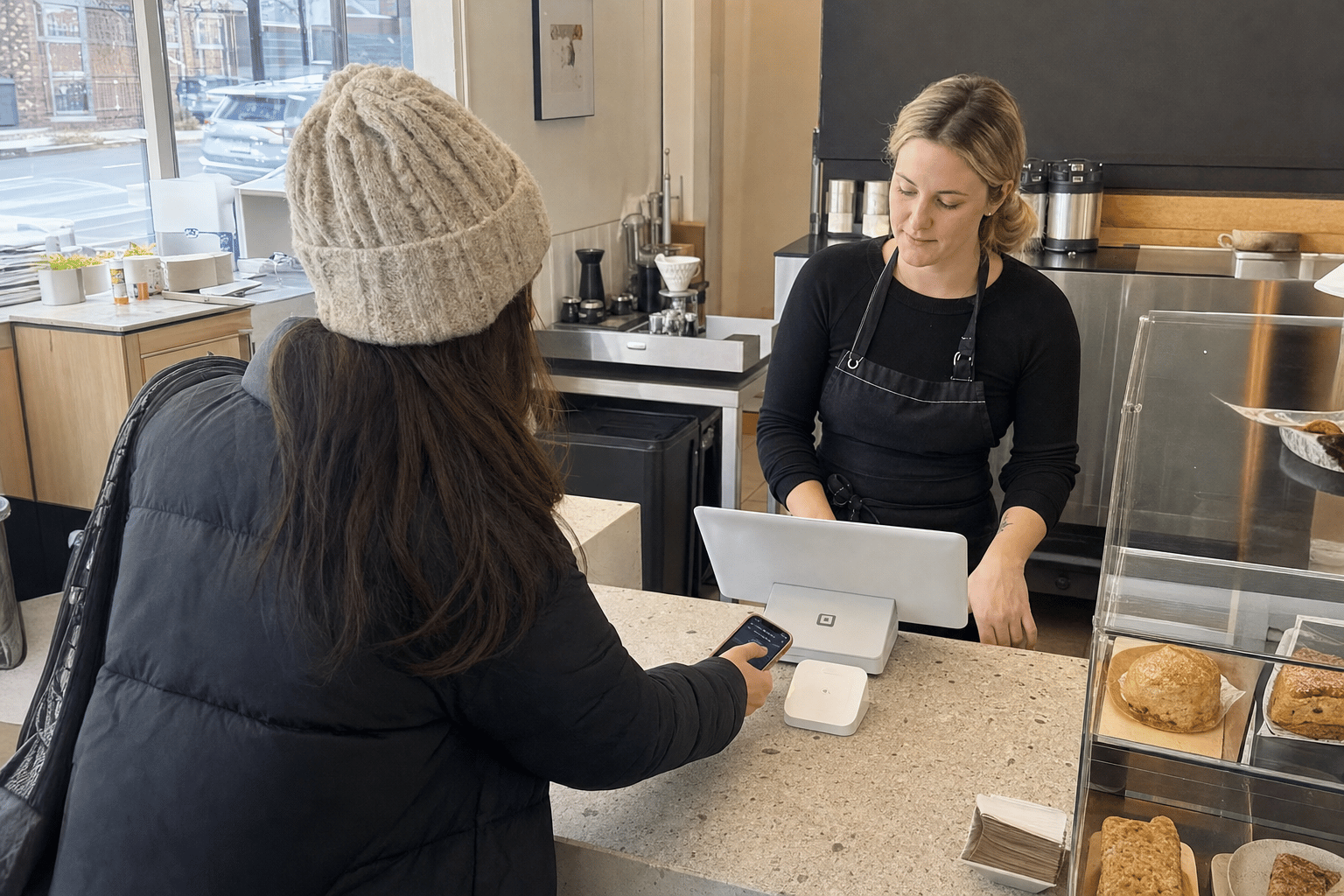
First, offering payment methods customers already use and trust, not just a single card field. Depending on the market, that might mean digital wallets, bank transfers, buy-now-pay-later, or cash on delivery. A customer who doesn't see a familiar option at the final step will often abandon rather than enter card details for an unfamiliar processor.
Second, making fraud protection visible rather than invisible. Customers don't know what's running in the background, so they judge safety from what they can see: a lock icon, a recognisable payment logo, a clear return policy near the buy button. Cash on delivery is a good example of an option that drives conversion but introduces real operational risk, higher return-to-origin rates and a higher chance of fraudulent orders. Tools built specifically to screen and block risky cash-on-delivery orders let a store offer that option confidently instead of avoiding it out of caution Razorpay.
Third, cutting the number of steps between "add to cart" and "order confirmed." Every extra field, every unnecessary account-creation prompt, every page reload is a chance for the customer to reconsider. The founders who treat checkout as a single, fast, trustworthy motion see the difference in their numbers, not just their gut feeling.
If the store is on Stripe, there's a right way to wire this up so the sale doesn't quietly break after the customer has already paid, which is covered in a guide to setting up Stripe for your e-commerce platform without losing the sale after the sale. If the store serves customers who expect a wider mix of local payment methods, connecting Razorpay to an online store is the more relevant path. Either way, the integration itself is rarely the hard part. What's hard is deciding which methods your actual customers need before you build around them.
The numbers: what better checkout actually moves
None of this is theoretical. Stores that move to a checkout experience purpose-built for direct-to-consumer selling, with more payment methods live and fewer steps in the flow, have reported a 40% increase in conversions, a checkout process five times faster, and a 50% reduction in return-to-origin rates Razorpay. Those three numbers map directly onto the three problems above: customers who weren't converting now convert, customers who were abandoning mid-form now finish faster, and orders that used to come back unfulfilled now stick.
Framed differently: a 40% conversion lift Razorpay means the traffic this founder was already paying for finally pays off, without spending a cent more on ads. A faster checkout means fewer customers get distracted or spooked between clicking "pay" and seeing a confirmation. Lower returns mean the fraud and mismatch problems that eat margin on cash-on-delivery orders get caught before they ship, not after. None of this requires more visitors. It requires the visitors already arriving to finish what they started.
How payment fits into a sales-ready site, not a bolt-on
Checkout isn't a plugin you add once the "real" site is done. It's one of the three or four moments that decide whether the business makes money at all, alongside the product page, the search ranking that got someone there, and the support conversation that answers their last doubt. A site that's indexable and well-written but hands off to a clunky, unclear payment flow is still losing the sale, just one step later than before.
This is the thinking behind treating payments as part of the operating system of the store rather than a separate vendor relationship bolted on at the end. Tyashin exists for exactly this handoff: turning a working prototype into a site that's actually built to sell, with the storefront, content, and payment layer working from the same foundation instead of three disconnected tools. Even when the gateway itself is solid, plenty of stores lose sales because the integration between the storefront and the payment provider was never checked end to end, which is the gap most often behind failed charges and abandoned carts that look like a marketing problem but aren't, as covered in why payment integrations fail.
Your next step: audit your checkout
Before adding a single tool, open your own checkout on a phone, as a stranger would, and time it. Count the fields. Note whether a payment method your customers actually use is missing. Check whether anything on the page tells a first-time buyer the transaction is safe. Most founders find the answer in under ten minutes, and it's rarely a marketing problem.
Review your current checkout experience, identify which payment options your customers actually use, and then connect the right payment gateway to Tyashin.
Sources
Have questions or ready to get started?
Get in touch with Tyashin